24 Oct 2026
Reward Structure Evolutions Redefine Engagement in Mobile Draw Sessions

Portable draw sessions have undergone measurable transformations as operators adjust incentive frameworks across smartphone platforms, and these modifications directly influence how participants exchange messages, form groups, and coordinate gameplay. Data collected through industry monitoring shows that reward tiers tied to session length and social activity now guide conversation volume more than fixed prize pools alone. Observers note that such adjustments appear in multiple markets simultaneously, creating parallel patterns in user behavior without requiring regulatory alignment across borders.
Core Mechanics of Updated Reward Layers
Operators have introduced layered point systems that convert daily logins, chat participation, and referral actions into redeemable credits, while older flat bonus models recede in priority. These layered systems link specific interaction milestones to escalating multipliers, so a player who maintains a streak of group invites unlocks higher-value draws at faster intervals. Researchers tracking app telemetry report that message threads lengthen when reward triggers require coordinated team entries rather than solo participation.
Figures from October 2026 indicate that platforms using hybrid rewards, which blend monetary and social recognition elements, recorded a 23 percent rise in average session duration compared with the same month in the prior year. The increase correlates with the rollout of milestone badges that appear inside live chat windows, prompting immediate reactions from other users. Such visual cues sustain dialogue loops that previously ended once a round concluded.
Shifts in Conversation Patterns and Group Formation
Interaction flows adapt when reward eligibility depends on collective performance metrics, prompting users to share strategy snippets and timing advice within dedicated channels. One documented case involved a North American operator that replaced random jackpot triggers with team-based accumulation goals; within three months, the volume of strategy-related posts in those rooms doubled according to internal analytics. Participants began scheduling joint sessions through in-app calendars, extending the lifespan of individual chat rooms beyond single events.
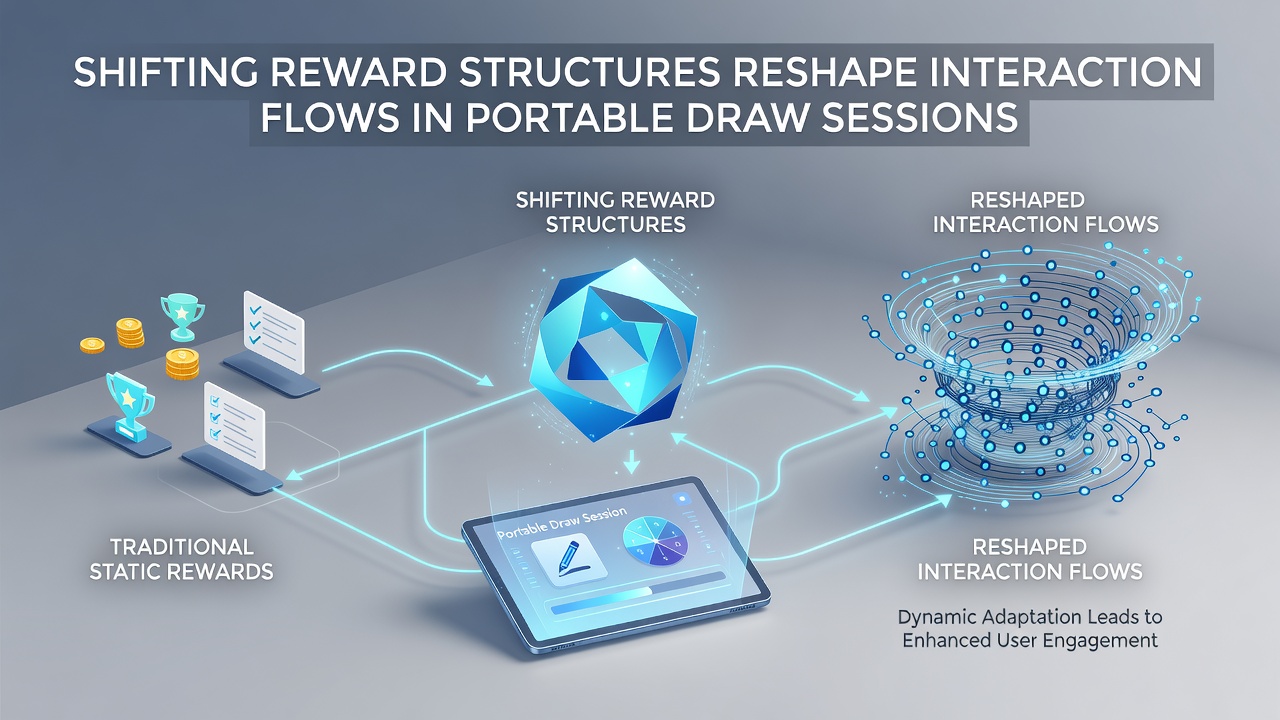
Yet the same data sets reveal that private messaging spikes when rewards emphasize individual leaderboards, fragmenting larger public rooms into smaller clusters. Analysts at the Pennsylvania Gaming Control Board observed parallel fragmentation in regulated mobile offerings during the third quarter of 2026, where private group creation rates rose while public lobby occupancy declined. The pattern suggests that reward design choices exert measurable pressure on the scale and persistence of social connections.
Regional Data Points and Platform Comparisons
Cross-border comparisons highlight variation in implementation speed. Canadian provincial operators adopted tiered social rewards earlier than many European counterparts, resulting in earlier detection of sustained chat retention effects. A 2026 industry report compiled by the Canadian Gaming Association documented that provinces with integrated loyalty layers experienced 18 percent higher repeat login rates among mobile users than provinces relying on legacy prize structures. In contrast, Australian state regulators tracked slower adoption curves, with similar retention gains appearing only after operators synchronized reward updates with local payment rail changes.
University-led studies add further granularity. Researchers at the University of Nevada, Reno examined six months of anonymized interaction logs from three major draw applications and found that reward structures incorporating visible peer progress bars increased the frequency of encouragement messages by 31 percent. The same logs showed reduced instances of off-topic posts once reward notifications appeared in real time, indicating tighter alignment between conversation content and gameplay objectives.
Operational Adjustments by Platform Providers
Platform providers respond to these observed flows by refining notification timing and reward visibility. Some applications now surface group achievement updates immediately after each round, while others stagger them to prevent chat overload. Technical documentation released in late 2026 describes A/B testing protocols that measure message throughput against different reward cadences, allowing operators to calibrate pacing without external mandates. These internal experiments continue to refine the balance between incentive density and conversational clarity.
Conclusion
Shifting reward structures continue to reshape interaction flows in portable draw sessions through direct linkages between incentive triggers and user communication behaviors. Regional monitoring bodies and academic teams document consistent correlations between reward design elements and measurable changes in chat volume, group persistence, and message content. As operators refine these mechanisms, the resulting data streams provide ongoing evidence of how incentive architecture influences the social fabric of mobile draw environments.