7 Nov 2026
Digital Platforms Enhance Community Connections in Bingo Gatherings
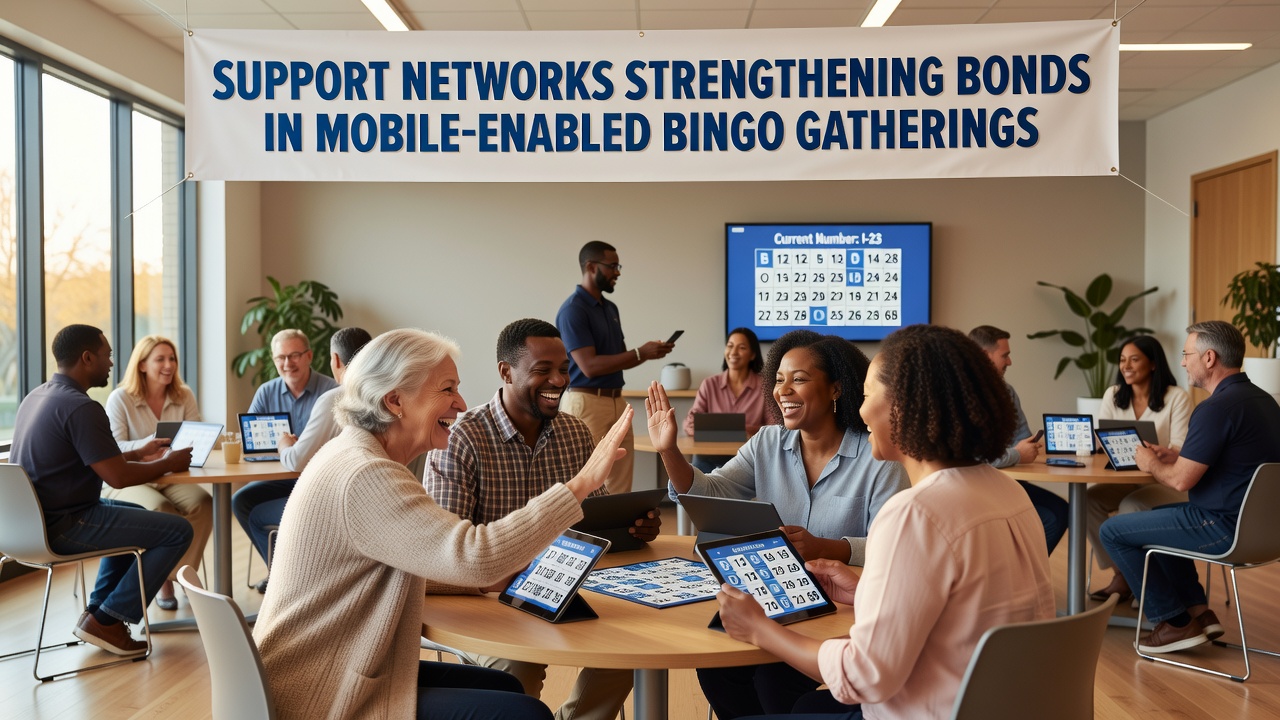
Support networks in mobile-enabled bingo gatherings have grown steadily as apps integrate chat functions, group challenges, and real-time messaging tools that allow participants to share strategies and offer encouragement across different time zones. These features emerged prominently after 2024 when several platforms updated their interfaces to include moderated discussion rooms that focus on player wellbeing rather than just gameplay mechanics.
Expansion of Mobile Bingo Features in 2026
By November 2026 data from industry trackers showed that mobile bingo sessions averaged longer durations compared with earlier years because users stayed logged in to participate in post-game conversations and mutual support threads. Observers note that players often form recurring groups where they exchange updates about personal milestones or coordinate virtual meetups outside the main draws. Research from the University of Nevada's gaming studies department indicates that such interactions correlate with higher return rates among users who report feeling connected to others in the same app ecosystem.
App developers incorporated tools like scheduled voice rooms and emoji-based reactions that simplify quick affirmations during busy sessions. These additions addressed earlier complaints about one-way communication in number draw games and helped shift the experience toward ongoing community involvement. Figures from Canadian regulatory reports highlight that provinces with active online gaming frameworks saw a 14 percent rise in registered mobile bingo accounts between 2025 and 2026, with many new users citing social features as a primary reason for signing up.
Role of Peer Support in Player Retention
Peer support structures appear in various forms across platforms, including dedicated threads for new players seeking advice on bonus structures and veteran groups that discuss patterns in progressive jackpots without revealing proprietary algorithms. One study conducted by the Australian Institute of Family Studies found that participants who engaged in at least three weekly support exchanges showed stronger loyalty metrics than those who played in isolation. The findings align with similar observations from European gaming associations that track user behavior across multiple jurisdictions.
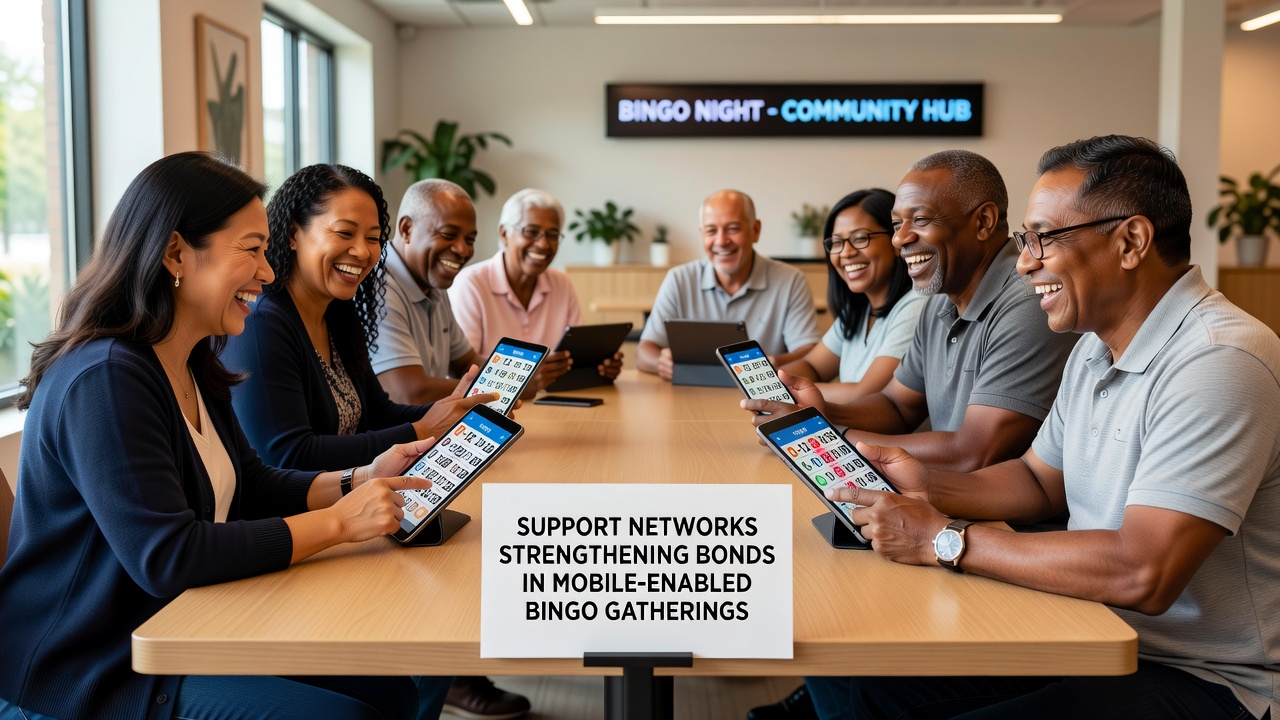
Moderators trained in responsible gaming practices monitor these spaces to ensure conversations remain constructive and redirect users toward external resources when needed. Data released by the National Council on Problem Gambling in the United States reveals that integrated support channels within bingo apps reduced instances of isolated play complaints by measurable margins in pilot programs conducted throughout 2025. Players frequently mention the value of quick check-ins from regular group members during extended sessions that stretch across evenings or weekends.
Geographic Variations in Community Building
Regional differences shape how these networks develop. In parts of Asia where mobile penetration remains high, bingo apps often pair with local messaging services to create hybrid groups that blend in-app draws with external chat continuity. Meanwhile Latin American markets have seen operators introduce Spanish-language support rooms that mirror successful models from North American platforms. Reports from the New Zealand Department of Internal Affairs note parallel trends where community features helped sustain participation levels even when promotional budgets faced temporary reductions.
Case examples include a cohort of players in a shared mobile room who organized monthly virtual celebrations around national holidays, using the app's scheduling tools to coordinate timing and share small digital tokens of appreciation. Such activities strengthen ties without requiring physical presence and demonstrate how digital infrastructure supports sustained relationships. Experts tracking these patterns emphasize that the combination of structured gameplay and flexible social layers creates environments where bonds form around shared routines rather than chance encounters alone.
Technical Elements Supporting Ongoing Interactions
Behind the scenes, algorithms prioritize matching users with similar activity times or preferred game variants so that conversations flow more naturally during draws. Push notifications alert group members when familiar participants join a session, which increases the likelihood of continued dialogue. Security protocols ensure that personal details stay protected while still allowing pseudonymous profiles that carry reputation indicators based on helpful contributions.
Studies from academic centers in Canada have examined how these technical choices influence long-term engagement, showing that users who receive positive reinforcement through the network tend to maintain accounts longer. The same research highlights the importance of clear moderation guidelines that prevent disruptive behavior from undermining group cohesion.
Conclusion
Support networks within mobile-enabled bingo gatherings continue to evolve as platforms refine their social tools and operators respond to user feedback collected through in-app surveys. Participation data from multiple regions demonstrates consistent patterns where connected players exhibit steadier involvement over time. As November 2026 approaches, further updates to these systems are expected to build on existing frameworks that already link gameplay with community interaction across diverse geographic markets.